Looking for a Brooklyn neighborhood that feels connected, livable, and genuinely local? Bay Ridge stands out because it offers something many buyers and renters want but do not always find in New York City: a residential feel, everyday convenience, and real variety in how you live day to day. If you are wondering what life in Bay Ridge is actually like, this guide will walk you through the housing, parks, shopping, dining, and commute so you can decide whether it fits your routine. Let’s dive in.
Bay Ridge Has a Residential Feel
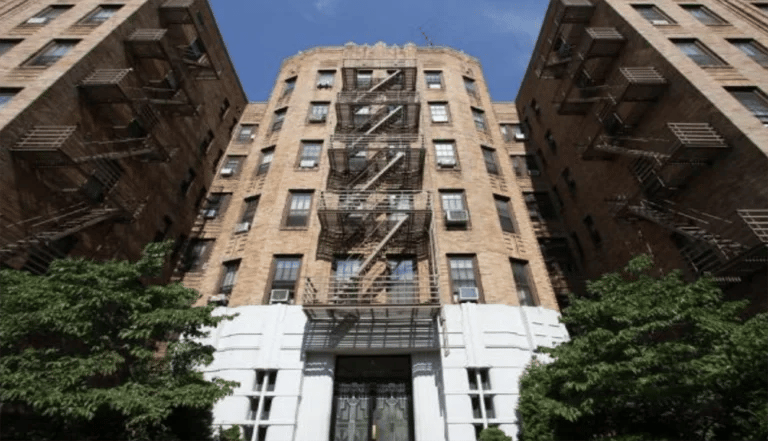
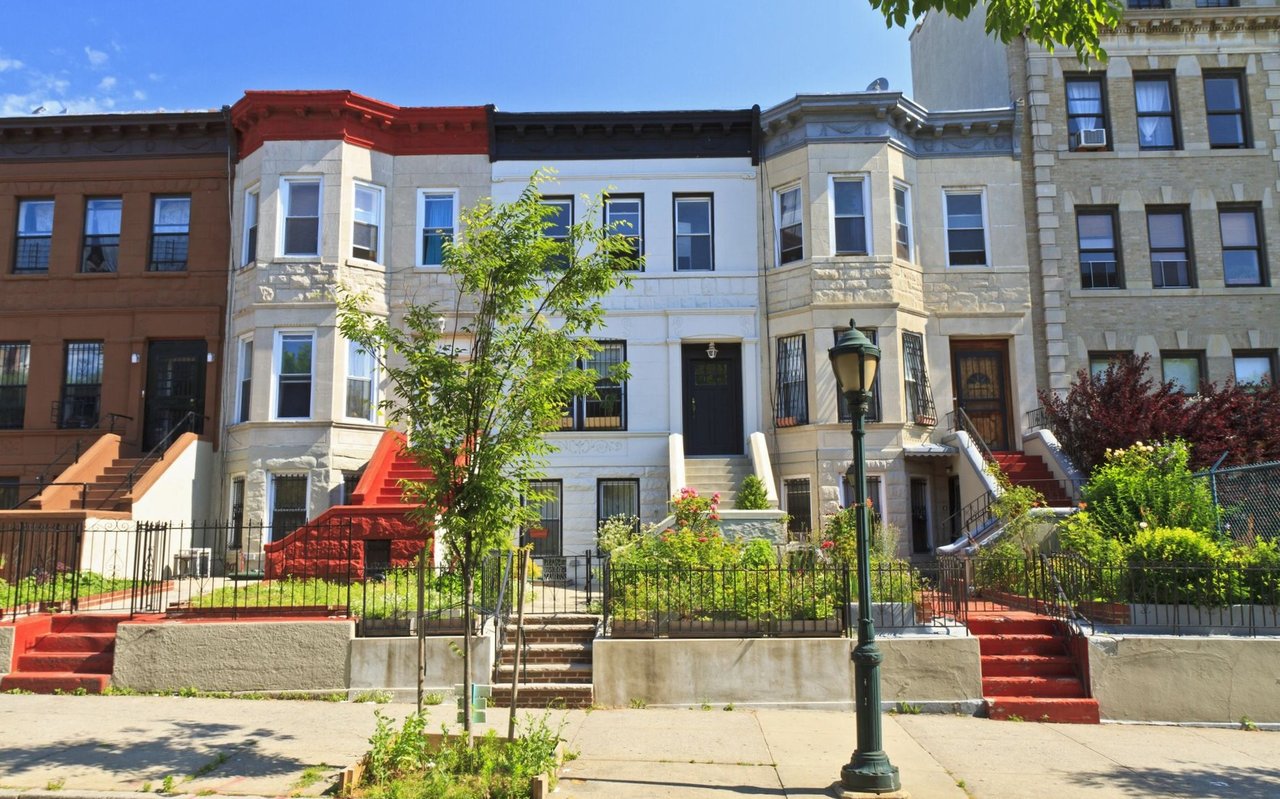
One of the first things you may notice about Bay Ridge is that it does not feel dominated by one type of building. According to NYC Planning, the Special Bay Ridge District covers 249 blocks and includes detached homes, semi-detached homes, rowhouses, small multifamily buildings, and mid-rise mixed-use buildings along major avenues. That mix gives the neighborhood a layered, lived-in character instead of a uniform look.
A large share of the area reads as low-rise and residential. NYC Planning noted that about 40 percent of the district was made up of one- and two-family detached or semi-detached blocks. In practical terms, that means many streets feel quieter and more home-focused, while the main avenues bring in more activity.
Bay Ridge also has architecture that adds to its established feel. A good example is the Bay Ridge Parkway – Doctors' Row Historic District, where 54 row houses built between 1906 and 1913 feature limestone fronts and Renaissance Revival and Colonial Revival styling. Even if you are not focused on architecture, details like these shape the experience of walking the neighborhood.
Daily Life Centers on the Streets and Parks
Bay Ridge works well for people who like neighborhood routines. Instead of everything revolving around one central downtown, daily life is spread across residential blocks, shopping corridors, and parks. That creates a rhythm that feels active without feeling overly dense.
You may spend one part of the day running errands on a main avenue, then head toward the waterfront for a walk or some fresh air. This balance is a big part of Bay Ridge's appeal. It feels like a place where people build habits, not just pass through.
The Waterfront Is Part of Everyday Life
In Bay Ridge, the waterfront is not just something you look at once in a while. It is part of how many people use the neighborhood. NYC Parks describes American Veterans Memorial Pier as Bay Ridge's most popular fishing spot, with views of the Verrazzano-Narrows Bridge, the Statue of Liberty, and the Manhattan skyline.
That kind of setting adds something special to everyday routines. Whether you are walking, taking in the view, or meeting up with friends or family outdoors, the shoreline gives Bay Ridge a sense of openness that is hard to miss.
Parks Support an Active Routine
Shore Road Park plays a major role in local outdoor life. NYC Parks notes that the shoreline route is used as one of the NYRR Open Run courses, which helps explain why it functions as a regular path for walks and runs. It serves not only Bay Ridge but nearby neighborhoods too, reinforcing its role as a steady part of daily recreation.
Shore Park and Parkway is classified by NYC Parks as a large park with athletic facilities, comfort stations, and playgrounds. That means the neighborhood supports more than scenic walks. It also gives you space for sports, outdoor play, and casual weekend time.
Other local park features add to that flexibility. Leif Ericson Park has 13 pickleball courts, and NYC Parks has also tracked a recent path reconstruction project in Owl's Head Park. Together, these spaces support a lifestyle built around movement, outdoor time, and simple neighborhood convenience.
Shopping and Dining Are Spread Across Key Corridors
Bay Ridge's commercial life is active, but it does not feel concentrated in one overly busy core. City materials describe it as corridor-based, with different streets serving different everyday needs. That setup helps the neighborhood feel lively while still staying neighborhood-scale.
According to the NYC Department of Small Business Services, 3rd Avenue is a dining-heavy corridor, 86th Street is the neighborhood's main shopping strip, and 5th Avenue has evolved toward personal care, professional services, and culturally diverse dining and shopping. For you, that means everyday life in Bay Ridge often involves knowing which avenue best fits what you need.
3rd Avenue, 5th Avenue, and 86th Street Each Play a Role
3rd Avenue is a strong option when you want restaurants and a busier food scene. If your routine includes coffee shops, casual meals, or sit-down dining, this corridor is likely to become part of your weekly pattern. It adds steady energy without pushing the neighborhood into a high-intensity nightlife feel.
86th Street functions more as a shopping destination. If you like having a main retail strip for errands and everyday purchases, this street helps anchor that part of Bay Ridge life. It gives the area a practical backbone.
5th Avenue brings a different mix. The city's assessment notes personal care businesses, professional services, and a range of dining and shopping options, including Arabic, Asian/Chinese, Greek, and Italian-owned eateries and retailers. That variety contributes to the neighborhood's strong local identity and visible cultural diversity.
Retail Density Adds Convenience
Bay Ridge has a meaningful amount of storefront activity. The Bay Ridge 5th Avenue BID covers 65th to 85th Streets and lists 376 ground-floor retail businesses across 40 block faces. The city district assessment counted 382 storefronts on 5th Avenue, 473 on 3rd Avenue, and 158 on 86th Street.
Those numbers matter because they show how much daily convenience is built into the neighborhood. Common business types include restaurants, cafes, clothing stores, beauty and nail salons, health retail, and professional services. In simple terms, many of the things you need are close to home.
Bay Ridge Offers Transit Options, Not Just One
If you are comparing Brooklyn neighborhoods, Bay Ridge stands out for having multiple ways to get around. The R line serves Bay Ridge-95 St, 86 St, 77 St, Bay Ridge Ave, and 59 St. In 2025, Bay Ridge-95 St also became ADA accessible after the MTA opened two elevators there.
That said, the R is a local line. It offers reliable access, but it is not the fastest commute option in the city. Bay Ridge tends to work best for people who value flexibility and can plan around a local subway rather than expecting express-train speed.
Express Bus and Ferry Add Flexibility
The subway is not your only choice here. MTA maps show the X27 serving Bay Ridge to Downtown and Midtown, and the X37 serving Bay Ridge to Midtown. Those routes give residents another direct option, especially when they want a one-seat ride.
NYC Ferry also adds another layer of access. The South Brooklyn route stops at Bay Ridge/American Veterans Memorial Pier and connects to Sunset Park, Red Hook, Atlantic Ave/BBP Pier 6, Wall Street/Pier 11, Corlears Hook, and East 34th Street. For some residents, that can make the neighborhood feel more connected than people first assume.
Who Bay Ridge Tends to Appeal To
Bay Ridge is often a strong fit if you want a neighborhood that feels stable, residential, and rooted in everyday routines. The city's own assessment highlights community pride, cultural diversity, and a small-town feel in the big city. The housing mix, retail corridors, and park network all support that picture.
Based on the built form and amenities, Bay Ridge is likely to appeal to people who want rowhouses, low-rise blocks, parks, local stores, and a strong sense of place. It can also make sense if you like having several transit modes available and do not mind that the subway experience is more about consistency than speed.
It may be a weaker fit if your top priorities are high-rise living, late-night nightlife, or the fastest possible Manhattan commute. That does not make Bay Ridge better or worse than other neighborhoods. It simply means it has a distinct lifestyle profile, and that profile matters when you are deciding where to live.
What Living in Bay Ridge Feels Like
At its core, Bay Ridge feels established, practical, and easy to settle into. You get residential blocks, active shopping corridors, broad park access, and a waterfront that plays a real role in daily life. It is the kind of neighborhood where your routines can feel grounded.
For buyers, renters, and homeowners alike, that combination can be compelling. You are not choosing Bay Ridge for flash alone. You are choosing it because it offers a steady, livable version of Brooklyn with room for both convenience and breathing space.
If you are thinking about making a move in Bay Ridge, working with a local team can help you understand which blocks, housing types, and property options best fit your goals. Connect with Ameer Hamdan for personalized guidance on buying, selling, renting, or exploring your next move in the neighborhood.
FAQs
What is the housing like in Bay Ridge?
- Bay Ridge includes detached homes, semi-detached homes, rowhouses, small multifamily buildings, and mid-rise mixed-use buildings, with many blocks feeling low-rise and residential.
What is the Bay Ridge waterfront like for daily life?
- The waterfront is an active part of neighborhood life, with American Veterans Memorial Pier, shoreline views, and walking and running routes along Shore Road Park.
What are the main shopping streets in Bay Ridge?
- 3rd Avenue is known for dining, 86th Street is the main shopping strip, and 5th Avenue offers personal services, professional services, and diverse dining and retail options.
How do people commute from Bay Ridge?
- Residents use the R subway line, express buses like the X27 and X37, and the NYC Ferry from Bay Ridge/American Veterans Memorial Pier for added flexibility.
Who is Bay Ridge a good fit for?
- Bay Ridge is often a strong match if you want a long-term residential neighborhood with parks, local businesses, low-rise housing, and several transit options.