If you want Staten Island convenience without giving up skyline views and fast access to Lower Manhattan, St. George deserves a close look. This neighborhood offers a mix of waterfront living, civic energy, and transit connections that feel different from many other parts of the borough. Whether you are thinking about renting, buying, or simply narrowing down where to focus your search, understanding how St. George works day to day can help you make a smarter move. Let’s dive in.
Why St. George stands out
St. George is one of Staten Island’s most urbanized neighborhoods. According to NYC Planning, it is the most densely developed neighborhood on Staten Island, with a mix of single-family homes, apartment buildings, owner-occupied and rental housing, and waterfront condominium loft conversions.
That variety gives the area a distinct feel. You are not looking at a one-note neighborhood with one housing type or one lifestyle. Instead, St. George combines residential streets, a working civic center, transportation hubs, and a waterfront cluster that supports everyday convenience.
Ferry access shapes daily life
One of the biggest reasons people look at St. George is simple: transportation. This is Staten Island’s transit hub, and that has a real impact on how easy it is to move around the borough and get into Manhattan.
NYC Planning notes that St. George connects you to Manhattan through the Staten Island Ferry, to the rest of Staten Island through the Staten Island Railway, and to destinations across the borough through multiple bus lines. If your routine involves commuting, meeting clients, or staying connected to other parts of New York City, that kind of access matters.
Staten Island Ferry basics
The Staten Island Ferry is free, runs around the clock year-round, and travels between St. George and Whitehall in Lower Manhattan. The ride takes about 25 minutes, and the terminal is located at 1 Bay Street.
For many residents, that ferry ride is more than transportation. It is also part of the neighborhood’s identity, with open-water views and a direct connection to Lower Manhattan that is hard to ignore when comparing neighborhoods.
More than one ferry option
St. George also has NYC Ferry service. The St. George route connects Staten Island with Wall Street/Pier 11, Brooklyn, Battery Park City, and Midtown West, with a published approximate total travel time of 68 minutes.
That gives you another option depending on where you need to go. While route choice depends on your schedule and destination, having multiple water-based transit connections adds flexibility that many buyers and renters find appealing.
Borough-wide connections
St. George Terminal is not only about ferries. It is also served by the Staten Island Railway and numerous bus routes, which makes it a practical launching point for travel throughout the borough.
If you want a neighborhood where transit is built into everyday life, this is one of the clearest examples on Staten Island. That can be especially useful if your work, family routines, or housing search require regular movement between neighborhoods.
Waterfront living and harbor views
St. George’s waterfront is a major part of its appeal. The area around the ferry terminal offers some of the neighborhood’s strongest lifestyle benefits, especially if you enjoy open views, public spaces, and being close to everyday destinations.
NYC DOT notes that Whitehall Terminal offers panoramic skyline and harbor views, while the renovated St. George Terminal features floor-to-ceiling harbor views, retail space, and walkways that connect to Richmond Terrace and the ballpark. Those details help explain why the waterfront area feels active and visually memorable.
A compact waterfront cluster
Empire Outlets sits steps from the ferry and highlights waterfront dining, green rooftops, views of Lower Manhattan, and direct access next to SIUH Community Park, home of the Staten Island FerryHawks. When you add in the terminal, cultural venues, and civic buildings nearby, the immediate area feels unusually compact by Staten Island standards.
That does not mean every block functions the same way, and it is not a formal walkability score. But the clustering of daily-use destinations near the waterfront does support a more pedestrian-friendly experience in the immediate St. George core.
Culture adds depth to the neighborhood
St. George is not only a commuter location. It also has a strong arts-and-history layer that gives the neighborhood more personality and more reasons to spend time locally.
The St. George Theatre opened in 1929 and has been under restoration since 2004. The Staten Island Museum is another important local institution, and the National Lighthouse Museum in St. George interprets lighthouse history and technology from its former U.S. Lighthouse Service depot site.
Together with Borough Hall, the public library, and the courthouse cluster, these destinations help shape St. George as more than a transit stop. If you value neighborhoods with public institutions, local history, and cultural anchors, that is a meaningful part of the appeal.
What housing looks like in St. George
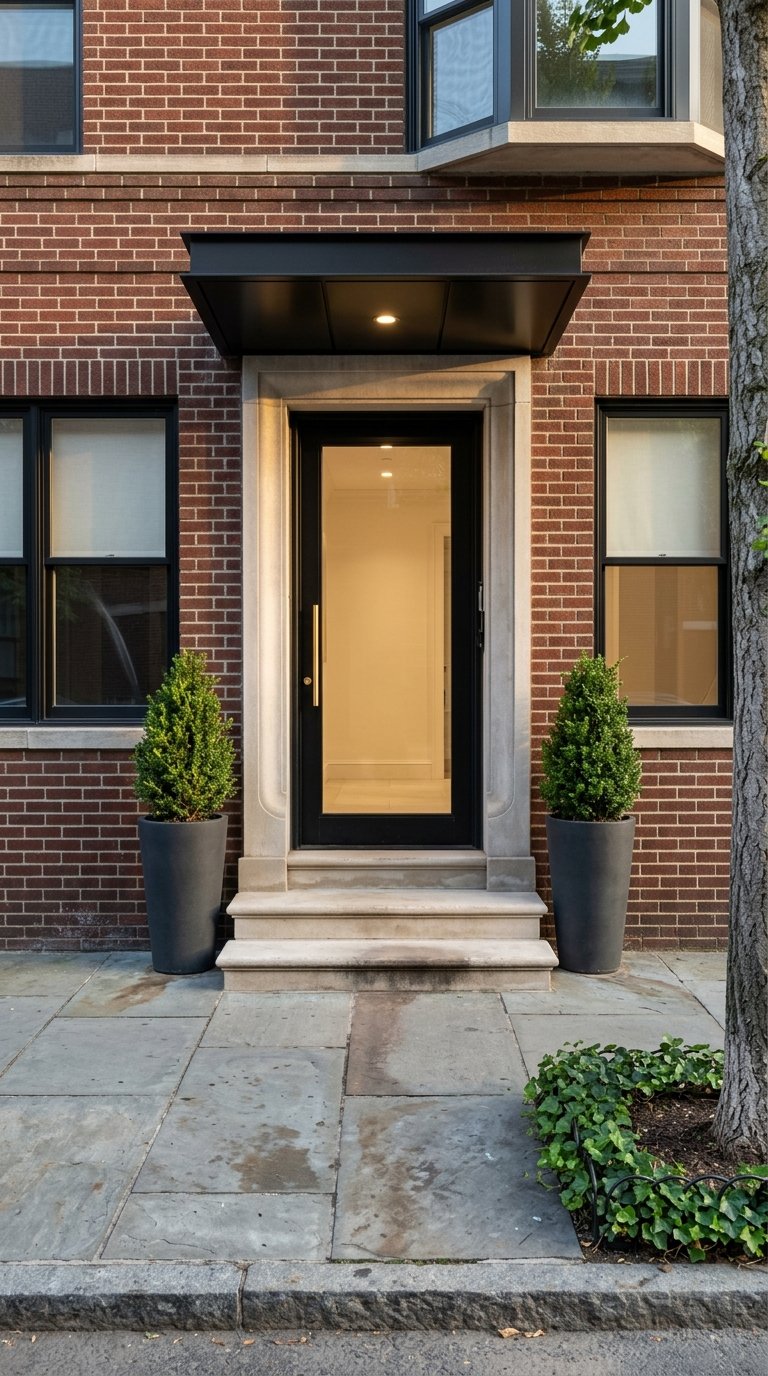
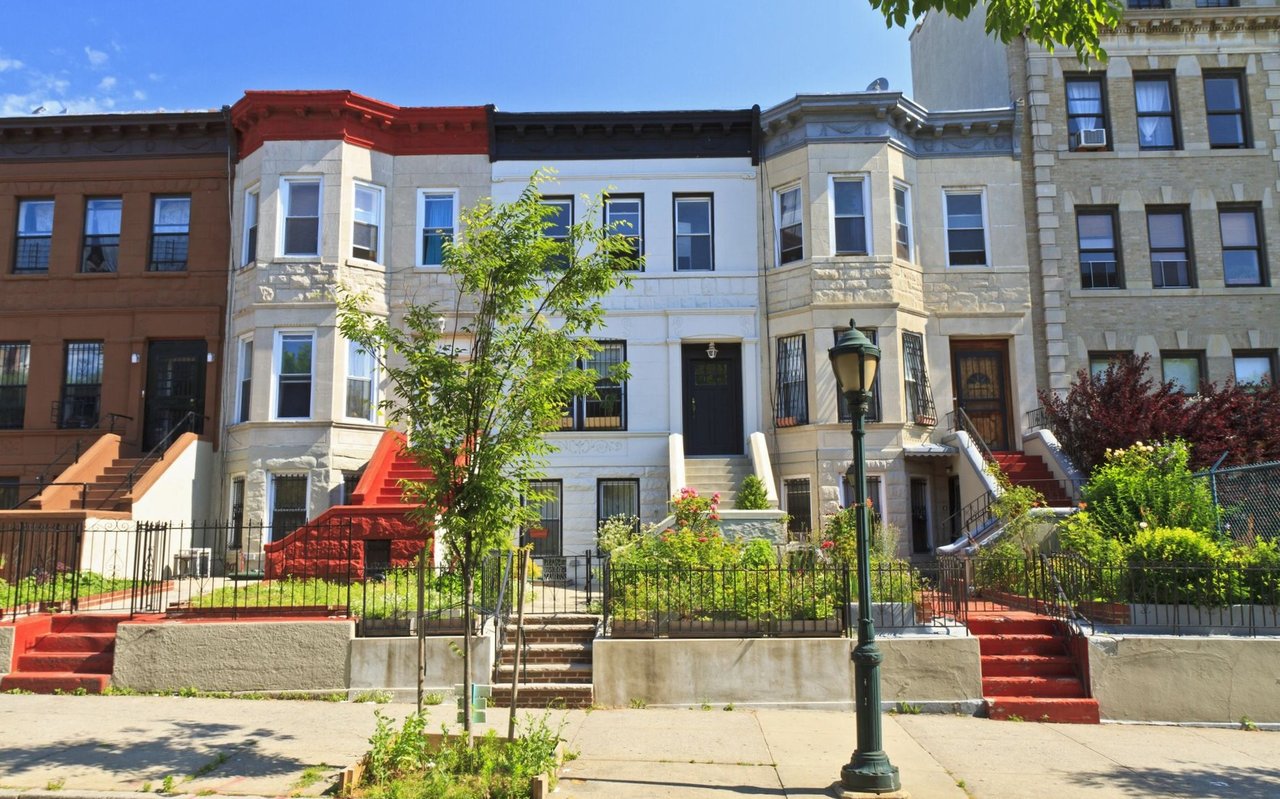
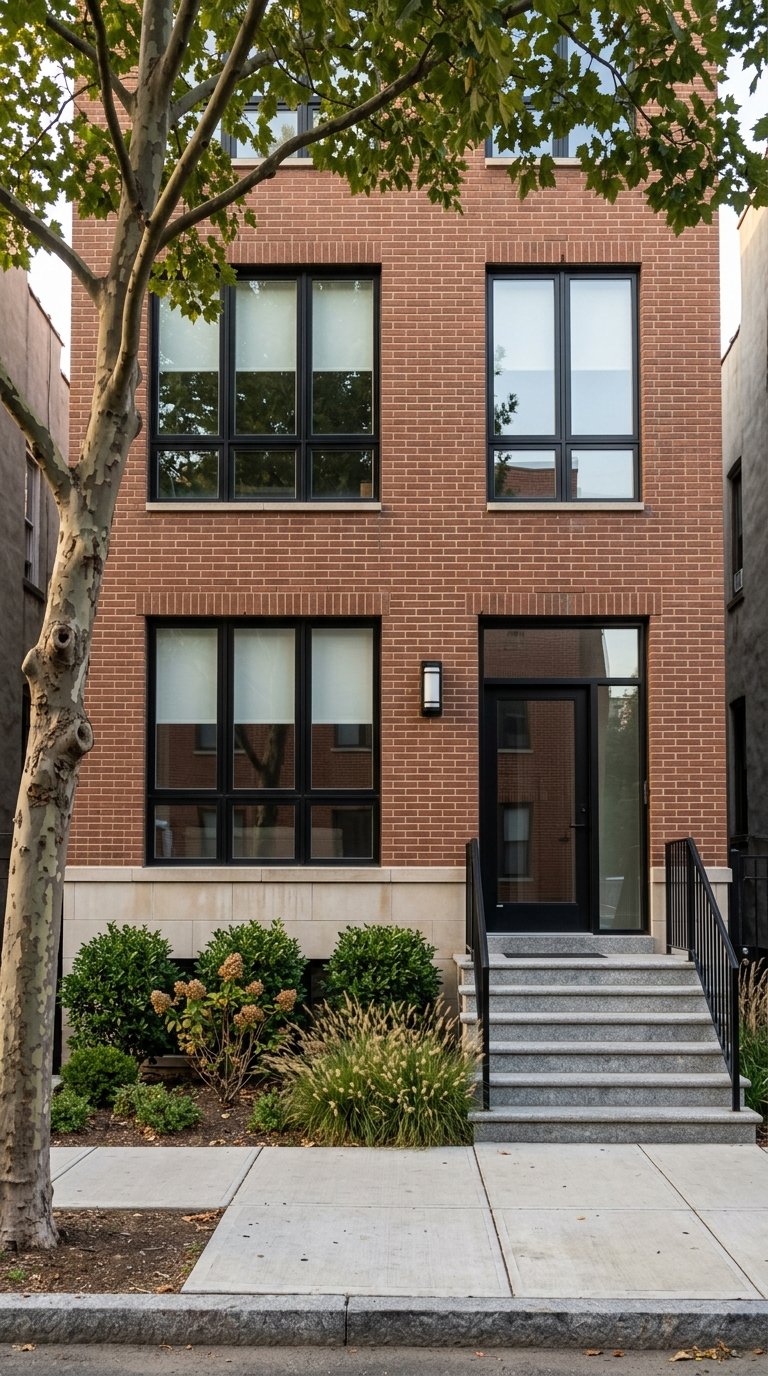
Housing in St. George is best understood as mixed rather than uniform. NYC Planning describes a neighborhood that includes waterfront condo loft conversions, large apartment buildings, office buildings with ground-floor retail, vacant lots, and some one- and two-family wood-frame homes.
That range matters because your experience can vary a lot depending on where in St. George you are searching and what type of home you want. A buyer looking for a condo near the waterfront may see a very different set of options than someone searching for a smaller house or a rental apartment.
Prices can vary widely
If you are trying to pin down one “typical” number for St. George, the current data suggests you should be careful. Different market sources show different results, which is often a sign of a smaller and more building-sensitive market.
Recent market pages show a wide spread. Redfin reported a median sale price of about $430,000 for the three months ending April 2026, Realtor.com showed a median listing price of $279,000 with 35 homes for sale and 19 rentals, and StreetEasy showed a median asking price of $553,000 with 27 homes for sale and 16 rentals. Median asking rents on Realtor.com and StreetEasy were both a little above $3,200 per month.
The safest takeaway is not to focus on a single headline number. In St. George, price depends heavily on property type, building condition, exact location, and the limited size of the market at any given time.
How St. George fits into Staten Island
It also helps to zoom out. At the borough level, Staten Island remains far more owner-occupied than New York City overall.
According to the Furman Center, Staten Island’s 2024 homeownership rate was 67.7%, compared with 32.7% citywide. The same source reports a median household income of $101,220 in Staten Island, about 21% above the citywide median of $83,970, and a median gross rent of $1,780.
Those borough-wide figures do not define every block in St. George, but they do provide context. If you are comparing this neighborhood with other parts of New York City, St. George sits within a borough that tends to have a different housing profile than the city overall.
Who St. George may suit best
St. George can work well for several types of movers. If you want direct ferry access, a waterfront setting, and housing that includes apartments, condos, and some smaller homes, it may be worth serious consideration.
It can also make sense if you want to stay connected to civic amenities and cultural institutions. The neighborhood’s identity is shaped by transportation, government buildings, museums, and entertainment venues, which gives it a different rhythm than a purely residential area.
That said, the right fit depends on your priorities. If your main focus is housing type, monthly budget, or proximity to a specific transit connection, it helps to evaluate St. George block by block and building by building rather than relying on broad assumptions.
What to keep in mind before you move
Before choosing St. George, think about how you would actually use the neighborhood. Your daily routine matters more than any broad label.
Ask yourself:
- Do you want regular access to the Staten Island Ferry or NYC Ferry?
- Are harbor views and a waterfront setting high on your list?
- Would you benefit from being near the Staten Island Railway and multiple bus lines?
- Are you open to comparing different property types instead of searching for one uniform housing style?
- Do you want a neighborhood with civic and cultural destinations close by?
These questions can help you decide whether St. George matches your lifestyle and budget. They can also help narrow your search if you are comparing it with other Staten Island neighborhoods.
Why local guidance matters here
Because St. George has a mixed housing stock and a smaller, more variable market, local guidance can make a real difference. Two listings with similar prices may offer very different value depending on building type, location near the waterfront or terminal, monthly costs, and long-term fit.
That is where neighborhood context matters. When you work with a team that understands Staten Island’s submarkets, you can sort through the noise faster and focus on the properties that truly line up with your goals.
If you are exploring St. George as a buyer, renter, seller, or landlord, Ameer Hamdan can help you make sense of the neighborhood with straightforward advice, local insight, and personalized support.
FAQs
What is commuting from St. George to Manhattan like?
- St. George offers direct access to Manhattan through the free Staten Island Ferry, which runs year-round around the clock and takes about 25 minutes to Whitehall in Lower Manhattan.
What transit options are available in St. George besides the ferry?
- St. George Terminal is also served by the Staten Island Railway and numerous bus routes, and the neighborhood also has NYC Ferry service to Wall Street/Pier 11, Brooklyn, Battery Park City, and Midtown West.
What kinds of homes are available in St. George?
- St. George includes a mix of waterfront condo loft conversions, large apartment buildings, rental housing, owner-occupied apartments, some one- and two-family wood-frame homes, and mixed-use buildings.
Are home prices in St. George consistent across the neighborhood?
- No. Current market sources show a wide range in pricing, which suggests that value in St. George depends heavily on property type, building style, exact location, and the relatively small size of the market.
What makes the St. George waterfront appealing?
- The waterfront area near the ferry terminal offers harbor and skyline views, retail space, access to Empire Outlets, walkways toward Richmond Terrace and the ballpark, and a compact cluster of nearby destinations.
Is St. George only for commuters?
- No. In addition to strong transit access, St. George has cultural and civic anchors such as the St. George Theatre, Staten Island Museum, National Lighthouse Museum, Borough Hall, the public library, and the courthouse area.